Blog Detail
Master Your Mind, Money, & Space: The Ultimate Guide to Thriving Inside and Out!
Introducing EEB Life Solutions: Mind, Money & Wellness—your all-in-one resource for thriving
in life! We’re diving deep into practical tips on mastering your finances, boosting mental
health, and embracing holistic well-being. But that’s not all—we’ll also share expert
cleaning tips to help you create a clutter-free, peaceful environment at home and work. From
managing stress and building wealth to maintaining a spotless space, this blog is designed
to empower every part of your life. Get ready to thrive, inside and out!
#EEBLifeSolutions #MindMoneyWellness #CleaningHacks #HealthyLiving #ClutterFreeLife

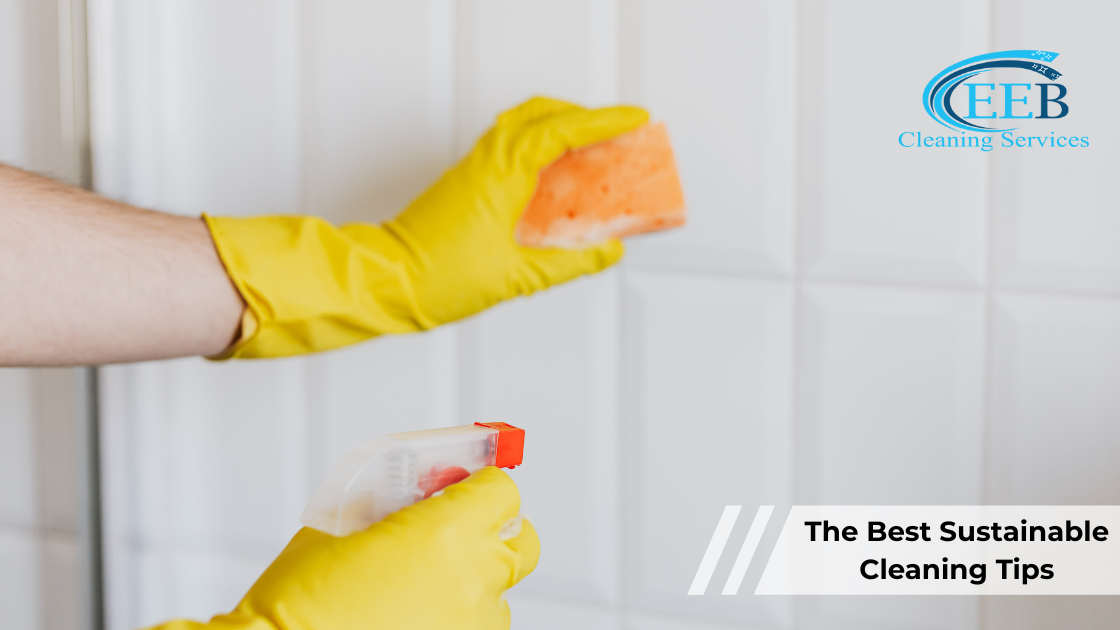
The Best Sustainable Cleaning Tips
2025-12-16 03:52:16
Author: Jessica
The Best Sustainable Cleaning Tips for an Eco-Conscious Home
Sustainable cleaning is about making smart, simple choices that reduce waste, eliminate toxins, and save money. You don't need a complete overhaul, just a few targeted tips can make a huge difference in your home's health and environmental impact.
Here are the most effective tips for transforming your routine into a truly sustainable practice.
1. Zero-Waste Tool Swaps
The biggest source of waste in cleaning is disposable products. A sustainable routine starts with reusable, long-lasting tools.
-
Ditch Paper Towels: Immediately switch to microfibre cloths. They last for years, trap dirt more effectively, and are simply washed and reused. Designate specific colors for high-risk zones (e.g., red for the toilet, blue for the kitchen) to prevent cross-contamination.
-
Embrace the Loofah: Choose natural scrubbing tools made from loofah, bamboo, or cellulose instead of plastic-based sponges that harbor germs and contribute to landfill waste.
- Invest in Bottles: Buy a set of durable glass or high-quality aluminum spray bottles. These are reusable indefinitely for your DIY mixes or store-bought concentrates.
2. Product Concentration & Refills
Avoid buying new plastic bottles of product that are mostly water. Choose concentrated formulas that require less packaging and last longer.
- Buy Concentrates: Purchase cleaning products (especially floor cleaners and laundry detergent) in concentrated form. You simply add water at home, drastically cutting down on plastic consumption and shipping weight.
- Use Soap Bars: Opt for bar soaps for dishes or hands instead of liquid soaps. They come in minimal packaging (usually cardboard) and eliminate plastic pump dispensers.
-
DIY Water-Wise Mixes: Use your homemade solutions (vinegar/water, baking soda paste) which are made from bulk, low-waste staples.
3. Water and Energy Efficiency
A key part of sustainability is minimizing the consumption of resources, especially water and energy.
- Use Cold Water: Wash clothes and mop floors with cold water. Modern, eco-friendly detergents are highly effective in cold cycles, saving significant heating energy.
-
Spot Clean, Don't Soak: Use a quick, damp cloth to spot-clean small spills immediately. This avoids the need for massive soaking or using an entire bucket of water later.
- Run Full Loads: Only run your dishwasher and washing machine when they are completely full. If possible, air-dry laundry to save energy.
4. Harness the Power of Nature
Nature offers powerful, non-toxic cleaning agents that should be prioritized over chemicals.
- The Steam Effect: Use a steam cleaner for floors, upholstery, and bathroom grout. Steam sanitizes and cuts through grease using only hot water, eliminating the need for chemical disinfectants.
- Air it Out: Use ventilation (opening windows) instead of chemical air fresheners. Fresh air helps cycle out indoor pollutants and smells naturally.
-
Deodorize Naturally: Leave an open box of baking soda in your fridge and sprinkle it on carpets before vacuuming to naturally neutralize odors without synthetic perfumes.
5. Conscious Disposal
Even the most sustainable routine involves some waste. Learn to dispose of it responsibly.
-
Rinse and Recycle: Always rinse out empty bottles (even plastic refill pouches) before placing them in the recycling bin to ensure they are processed correctly.
-
Avoid Pouring Chemicals: Never pour old cleaning chemicals down the drain. Look up local hazardous waste disposal days to safely dispose of toxic chemicals like old paint or bleach.
-
Compost Organics: Food scraps and compostable cleaning materials (like cellulose sponges) should go into your compost bin, not the regular trash.
EEB Cleaning Services NY: Professional Sustainable Support
Following these tips ensures your day-to-day cleaning is environmentally sound. For the intensive, resource-heavy cleaning tasks, rely on EEB Cleaning Services NY.
-
We Maximize Efficiency: Our professional methods and specialized equipment ensure the deepest clean with the lowest possible water and product usage.
-
Certified Green Products: We use high-performing, certified eco-friendly products for your deep clean, so you don't have to source and store expensive specialty green cleaners.
-
The Perfect Foundation: We deliver a spotless, sustainable reset that makes it incredibly easy for you to maintain the high standards with your own new green routine.
FAQs
1. Are microfibre cloths sustainable?
Yes, because their extreme durability and reusability allow them to replace hundreds of paper towel rolls, drastically reducing overall waste.
2. Can I use hot water to clean naturally?
Hot water is sometimes necessary, but use cold water whenever possible. Modern green cleaners are designed to work in cold water, saving energy.
3. What is the cheapest sustainable cleaning item?
White vinegar and baking soda. Both are sold in bulk, cost pennies per application, and replace dozens of specific cleaners.
4. How do I get rid of bad smells naturally?
Baking soda is the best natural deodorizer. Sprinkle it on upholstery or in trash cans, or use essential oils in a diffuser.
5. Should I rinse after cleaning with vinegar?
For countertops, a quick wipe is usually sufficient. For surfaces where you prepare food, a quick rinse with water is recommended.
Final Thoughts
Sustainability in cleaning is about intentionality, choosing the reusable over the disposable, the natural over the chemical, and the concentrated over the diluted. These small shifts lead to massive savings in cost, waste, and chemical exposure.
Start with these simple tips today, and let EEB Cleaning Services NY support your commitment with professional, sustainable care.