Blog Detail
Master Your Mind, Money, & Space: The Ultimate Guide to Thriving Inside and Out!
Introducing EEB Life Solutions: Mind, Money & Wellness—your all-in-one resource for thriving
in life! We’re diving deep into practical tips on mastering your finances, boosting mental
health, and embracing holistic well-being. But that’s not all—we’ll also share expert
cleaning tips to help you create a clutter-free, peaceful environment at home and work. From
managing stress and building wealth to maintaining a spotless space, this blog is designed
to empower every part of your life. Get ready to thrive, inside and out!
#EEBLifeSolutions #MindMoneyWellness #CleaningHacks #HealthyLiving #ClutterFreeLife

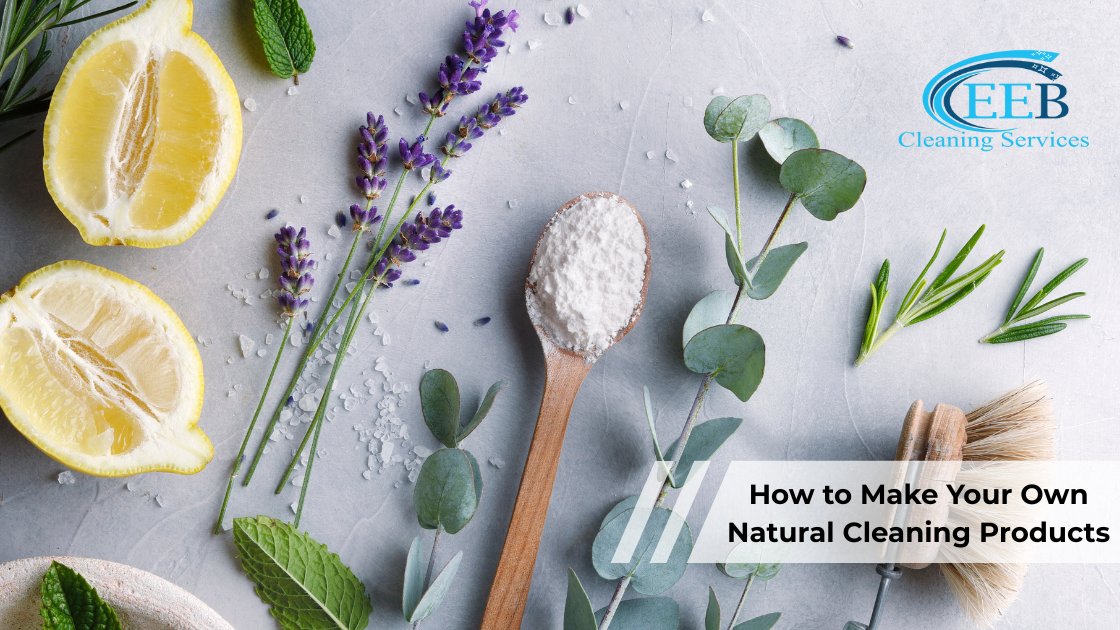
How to Make Your Own Natural Cleaning Products
2025-12-08 06:45:42
Author: Jessica
How to Make Your Own Natural Cleaning Products
Making your own cleaning products is the ultimate step toward a non-toxic, sustainable, and affordable home. By combining just a few simple kitchen staples, you can create powerful, safe formulas for nearly every surface.
The secret to effective DIY cleaning lies in understanding the core properties of nature's best disinfectants and cleansers. When you control the ingredients, you eliminate synthetic fragrances, harsh chemicals, and unnecessary packaging, transforming cleaning into a rewarding, mindful ritual.
Here is your essential guide to creating the three most useful natural cleaning products.
1. Multi-Purpose All-Surface Spray
This is the most-used cleaner in your home, tackling countertops, appliances, cabinets, and light switch plates.
Why This Recipe Works
White vinegar is a natural acid (acetic acid) that breaks down grime, cuts through grease, and inhibits the growth of bacteria and mold. The essential oil adds a fresh scent and extra antimicrobial properties.
| Ingredient | Measurement | Purpose |
| White Distilled Vinegar | 1 cup | The primary disinfectant and cleaner. |
| Water | 1 cup | Dilutes the acidity for general surface use. |
| Essential Oil (Lemon or Tea Tree) | 10–15 drops | Adds a fresh scent and boosts antibacterial action. |
| Durable Spray Bottle | 1 (Glass is ideal) | For mixing and easy application. |
Instructions
-
Combine: Pour the water and vinegar into your spray bottle.
-
Scent: Add the essential oils directly into the solution.
-
Mix: Gently shake the bottle to combine. Label clearly.
-
Use: Spray directly onto surfaces, wipe with a microfibre cloth, and allow to air dry.
Quick Note: Avoid using vinegar on natural stone (like marble or granite) as the acid can etch the surface over time. Use a Castile Soap solution (see below) instead.
2. Heavy-Duty Deodorizing Scrubber
This paste is perfect for deep cleaning tubs, sinks, grout, baked-on oven grime, and lifting tough stains from non-scratchable surfaces.
Why This Recipe Works
Baking soda (sodium bicarbonate) is a mild alkaline that reacts chemically with grease and grime, while its fine crystalline structure provides the gentle abrasive power needed to scour without scratching.
|
Ingredient |
Measurement | Purpose |
| Baking Soda | 1 cup | The non-scratch scouring agent. |
| Liquid Castile Soap | 1 tablespoon | Helps bind the paste and adds powerful cleaning surfactants. |
| Water | As needed | Creates a spreadable paste consistency. |
Instructions
-
Mix: Place the baking soda and Castile soap in a reusable container.
-
Add Water: Slowly add water, mixing constantly until you achieve a thick, workable paste like thick icing.
-
Apply: Scoop a small amount onto a damp sponge or brush.
-
Scrub: Apply to the soiled area (e.g., sink basin or oven spot), scrub, and rinse thoroughly with warm water.
-
Bonus Tip: For tough stains in a toilet bowl, sprinkle baking soda, add a splash of vinegar, let it fizz for 10 minutes, then scrub.
3. Gentle Daily Floor Wash
This is a non-streaking, non-toxic formula suitable for most sealed hard floors, including tile, laminate, and sealed hardwood.
Why This Recipe Works
Castile soap is concentrated, effective at cutting everyday dirt and oil, and rinses clean without leaving sticky residues. Vinegar boosts the cleaning power and aids in quick drying.
| Ingredient | Measurement | Purpose |
| Warm Water | 1 gallon (a standard mop bucket) | The base for the solution. |
| Liquid Castile Soap | 1–2 tablespoons | The main cleaning and emulsifying agent. |
| White Vinegar | 1/4 cup | Helps surfaces dry quickly and without streaks. |
Instructions
-
Fill: Fill your mop bucket with warm water.
-
Add Ingredients: Gently stir in the Castile soap and vinegar. Avoid excessive agitation, as Castile soap can create a lot of suds.
-
Mop: Damp-mop your floors.
-
No Rinsing Needed: This formula is designed to be low-suds and quick-drying, eliminating the need for a second rinse bucket.
EEB Cleaning Services NY: Your DIY Backup Plan
Making your own products is a rewarding act of self-care, but even the best natural recipes struggle with deep-set grime, professional-grade sanitization, and time-consuming tasks.
EEB Cleaning Services NY provides the perfect complement to your DIY routine:
-
We Handle the Intensive Jobs: We manage tasks like deep oven cleaning, window washing, and thorough sanitization using professional-grade, certified eco-friendly products that are highly effective yet non-toxic.
-
A Perfect Reset: When life gets busy and your DIY efforts fall short, we provide a complete, deep-cleaned foundation, ensuring you never have to tackle a massive mess with a sponge and a spray bottle.
Let us handle the heavy lifting, and use your amazing homemade products to maintain the beautiful clean we create.
FAQs
1. Can I use these recipes to disinfect?
Vinegar is a strong cleaner and natural disinfectant that kills many common germs, but for viral disinfection, a solution of hydrogen peroxide or rubbing alcohol is needed.
2. Can I skip the essential oils?
Yes, essential oils are entirely optional.7 They are used only for scent and light aromatherapy, not for essential cleaning power.
3. Why is liquid Castile soap better than dish soap?
Castile soap is made from vegetable oils and is purer. Most dish soaps contain synthetic ingredients and dyes that can leave unwanted residue on surfaces.
4. How long do homemade products last?
As there are no preservatives, it’s best to make small batches every 1-2 months. Store any solutions containing water in a cool, dark place.
5. Why shouldn't I use old food containers for storage?
Always use new, labeled glass or high-quality plastic bottles specifically for cleaning products to avoid confusion and accidental ingestion.
Final Thoughts
You don't need a pantry full of plastic bottles to have a spotless home. With a few basic, natural ingredients, you can create a powerful, sustainable, and entirely personalized cleaning routine that is healthier for your family and the planet.
Embrace the DIY approach, and remember that EEB Cleaning Services NY is here to support your deepest cleaning needs with professional care.